Harnett should pause data centers before growth outruns planning
Before Harnett County welcomes a project that could consume the water of a small town, commissioners should hit pause.
The county is considering a one-year moratorium on new data centers after The Daily Record reported that commissioners directed staff to set a May 4 public hearing on the issue. That is the right move. Harnett should not reject technology or economic development. But it should not allow a fast-moving industry to arrive before the county has rules for water use, energy demand, noise, land use, emergency access and transparency.
State law gives local governments that option. North Carolina General Statute 160D-107 allows temporary development moratoria when the duration is reasonable and tied to specific conditions that need to be corrected or resolved. In this case, the specific condition is clear: Data centers are not currently addressed in Harnett County’s Unified Development Ordinance. A pause would give staff time to define the use, identify suitable locations and write standards before an application forces the county to react under pressure.
The timing matters because Harnett is already growing quickly. The U.S. Census Bureau estimates the county’s population reached 150,137 in 2025, up from 133,568 in the 2020 census. That growth is already placing pressure on roads, schools, housing and public infrastructure. Adding a large-scale data center without clear rules could increase that pressure before residents understand the trade-offs.
Water should be central to the discussion. The Environmental and Energy Study Institute says large data centers can consume up to 5 million gallons of water per day, comparable to the water use of a town of 10,000 to 50,000 people. Harnett Regional Water says the county’s regional water plant uses the Cape Fear River as the source for drinking water. That makes a local review essential, especially when the county’s geography may make it attractive to future data center developers.
Supporters of data centers can make a fair argument: These projects can generate tax revenue and support economic development. The World Resources Institute notes data centers can produce property, sales and use tax revenue. But the same source warns that incentives can make the actual public gain smaller than advertised. A promise of revenue should not outweigh the need for enforceable rules.
Harnett County should approve the one-year moratorium and use that time wisely. Commissioners should require disclosure of projected water use, energy demand, noise levels, backup power systems, traffic impacts and expected tax benefits. A temporary pause is not anti-business. It is responsible government. Growth should serve the people who live here, not outrun the rules meant to protect them.
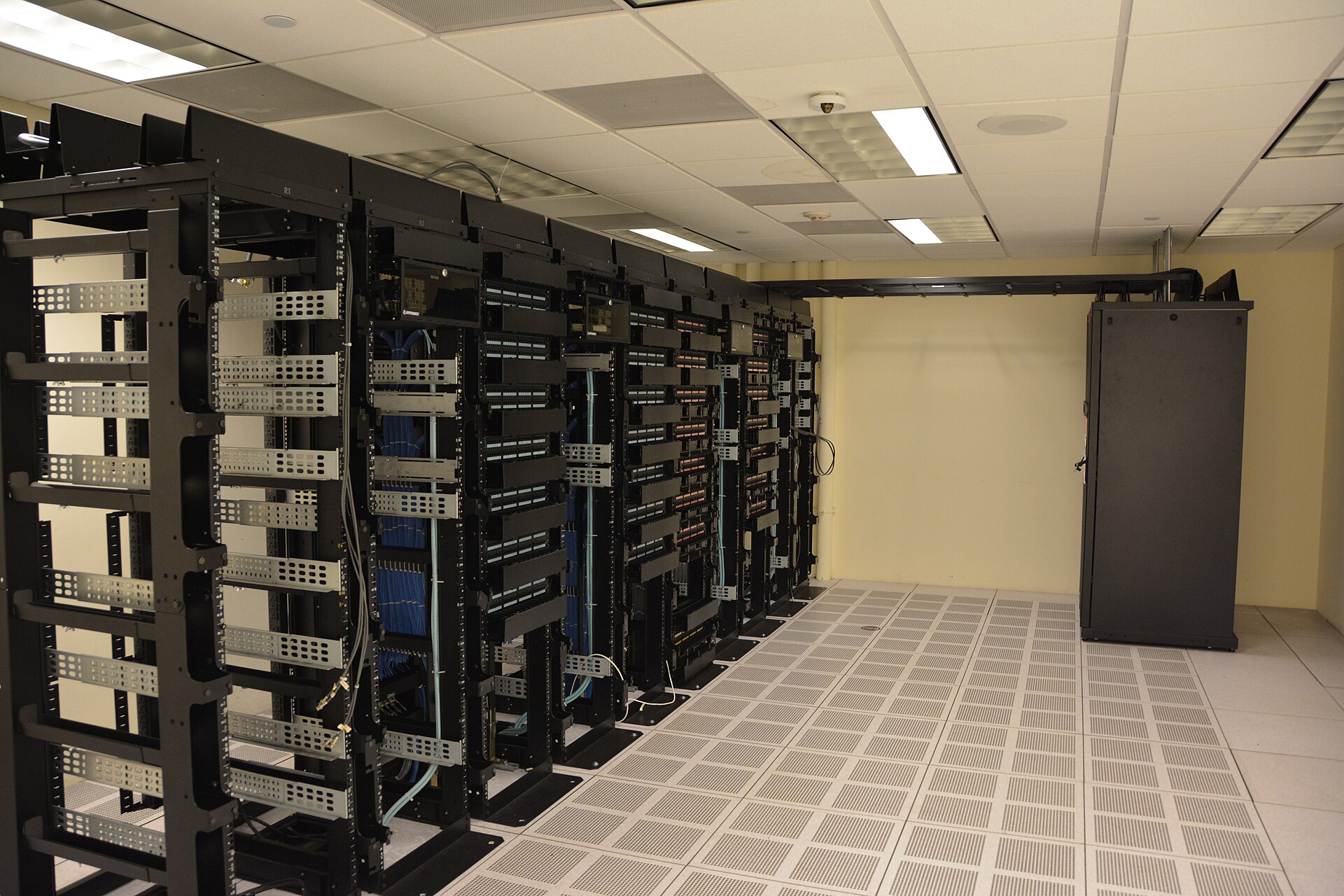
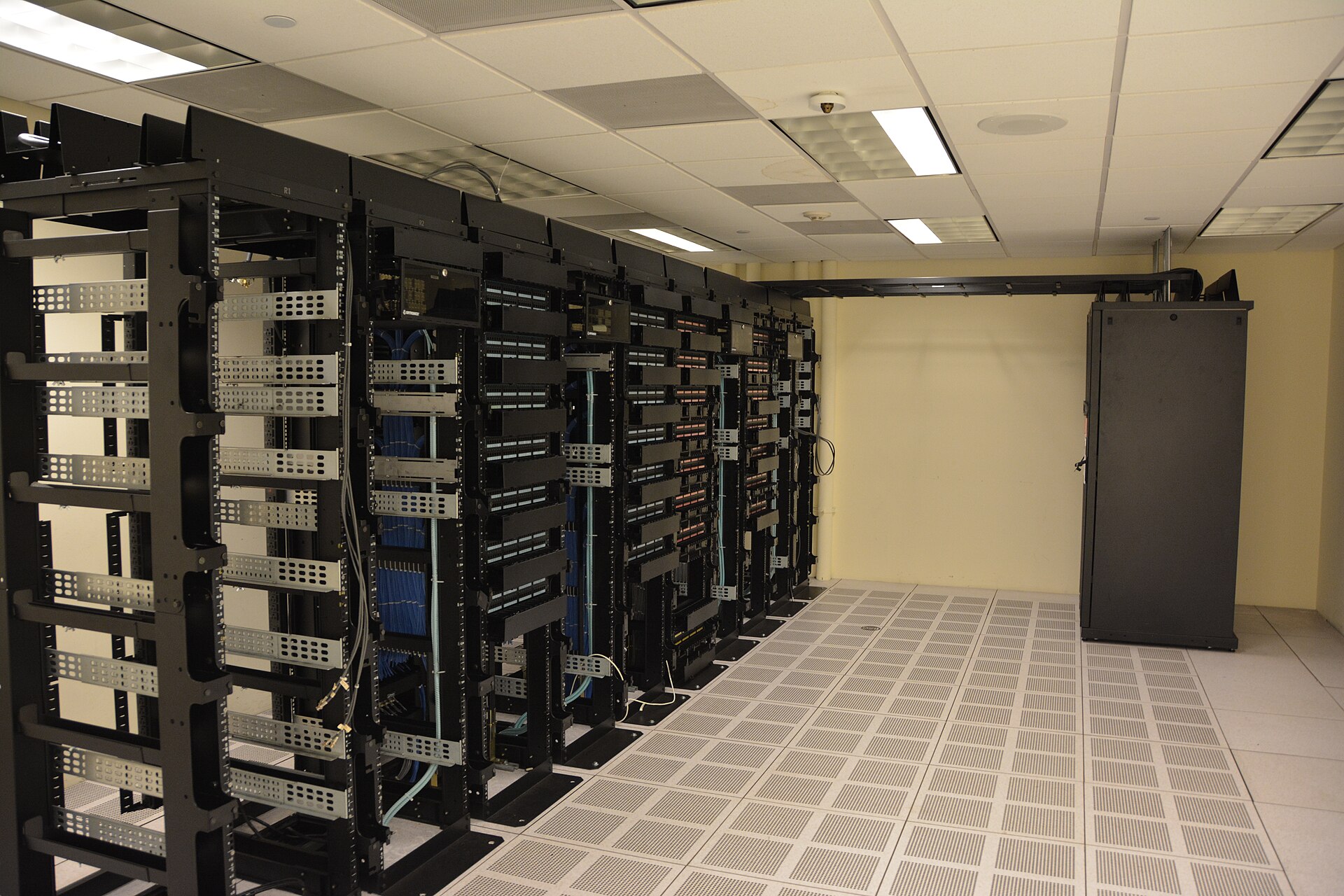
Featured image note: “Datacenter Server Racks” by Atomic Taco via Wikimedia Commons, licensed under CC BY 2.0. Image link.
